For me and perhaps many other Chinese learners, the water radical, known as 三点水, the "three drops of water", was the first to stick. It's both commonly used and perfectly symbolic. Unlike some other radicals. (Maybe it's me, but I can't see the hand in the hand radical 扌, no matter how hard I squint.) The erosion of flourish making all writing systems more readable at the cost of aesthetics has taken water's shapes and flows away, leaving only 氵.
浜淞浦泾嘴
Over 1000 of the 1500+ characters with the radical have something to do with water. If you're in Shanghai, 沪 (hù) is the water word you'll see most. A 沪 is a weir, a fence-like net, which were erected in the creeks feeding the Yangtze to trap fish going out with the tide. 沪渎 (hùdú) was the ancient name for the mouth of the Suzhou Creek, "the fishing-weir river that empties into the ocean"1, which was shortened to 沪 as the official abbreviation for the city. Like if we used SF or LA for government documents instead of writing out the whole thing.
(photo of license plate, caption: it's on every car in the city)
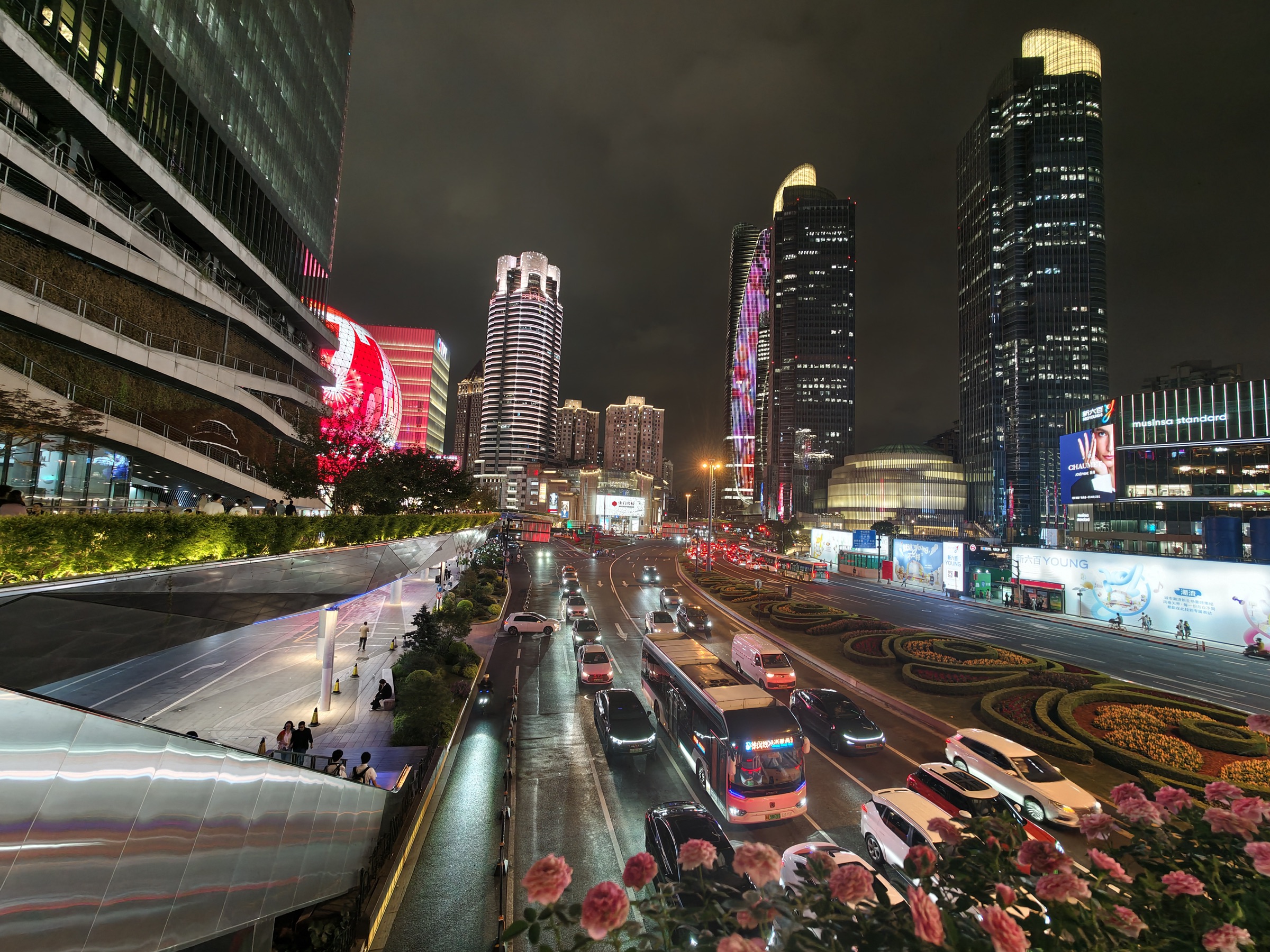
I live near 徐家汇 Xujiahui, Shanghai's second downtown. Today it's a major intersection of five streets, but its name translates to "The meeting of rivers on the Xu family estate".2 So it'll come as a surprise when you step into an undulating form study of light and concrete.
Rivers, you say? Concrete rivers maybe
Worth a night walk for sure. But water's nowhere to be found, even though two of these streets' names stem from it: 漕溪路 (Cǎoxī Road) and 肇嘉浜路 (Zhàojiābāng Road, "auspicious beginnings (bāng)").
What, exactly, is a 浜?
If you're learning Chinese, you've probably found it extremely difficult to remember Chinese names, both places and people3. If you're in alphabet land, somebody gives you their name, you know the spelling, your brain knows how it sounds, and that connection between spelling and sound enables memory. You don't need to know that Louis means king in French and visualize me crowned to remember who I am.
But when you encounter an unfamiliar Chinese character, unless you know the 声旁, the non-radical part, you have no idea what it means OR how it sounds. When a Chinese person introduces themselves, if their name is 成龙 (chéng lóng) or 张三李四 (zhāng sān lǐ sǐ), you bet I'm greeting them with confidence next time I see them. Them's HSK 2 characters. But if they say my name is Liang Weikeng or Su Bingtian or Zheng Qinwen4, each of those sounds represents dozens of possible meanings, of which I know a few at best. So to my friends with literary names, sorry for asking you to type them out in Wechat, even if we've already played badminton together a dozen times. I'm doing my best.
Back to 浜. What does it mean?
浜 is a Shanghai-specific character. Native speakers know it when they hear it, in the same way that American English speakers associate words like playa with California, bayous with Louisiana, hollers with Appalachia.5
The 浜 character describes a waterway that is, all at once: small but wide enough that boats can move through them, usually manmade, and connected to a larger canal network. Some close equivalents: The Dutch gracht, and the Venetian rio.6
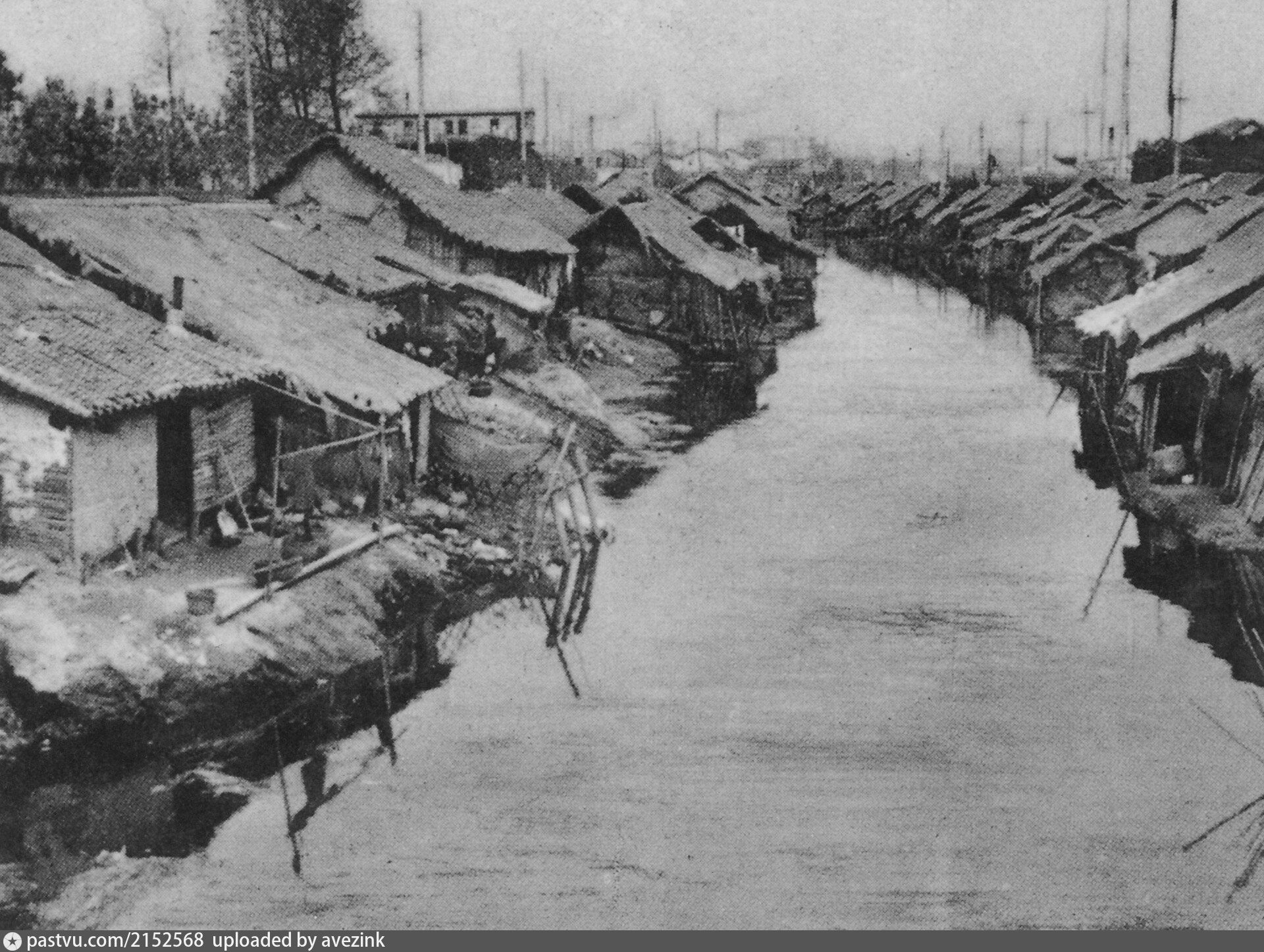
Zhaojiabang used to look like this:
Source: avezink on pastvu
In 1954, it was filled in, becoming Zhaojiabang Road.
-visual: This is Zhaojiabang Road today.
caption: Taken in the exact same location, 72 years later
Shanghai used to be entirely made up of waterways like 浜s, hundreds of them. And they retained their original names. Almost every street in downtown Shanghai bears the name of the waterway it was built over. So next time you're walking/biking/Didi'ing around the city, having your ears assaulted by scooter horns, maybe you can imagine being on a boat, bobbing down the still waters of the 浜...
浜 is just one of hundreds of characters used to denote distinguishing features of these waterways. Remembering all those character meanings is hard. So I made this guide - it's an immersive way to make these characters stick by maximizing the number of associations I can make.
And i mean maximizing. The plan is for this to be a perpetually-growing map. I'm going to visit the places where these characters occur and take photos and videos of them. The more rare and harder to find, the better.
Here's the characters I could find by searching online. If you're only looking for characters you would use in daily life, I've added a table for general-use water words (not Shanghai-specific) at the bottom.
Streams, creeks, rivers
浜
bāngsmall navigable creek — the Shanghai water word
肇嘉浜路 Zhaojiabang Rd — the road is the filled-in creek, running east out of Xujiahui. A dead-end 浜 has its own word: 浜兜 (bāngdōu), where the creek just stops, and 浜梢 (bāngshāo) for the tapering end of one — same root as 兜圈子, "to loop around and enclose"
泾
jīnga stream through fields, a channel linking rivers
漕河泾 Caohejing (SW) · 华泾 Huajing (S). Also survives out in Jinshan as 朱泾, sometimes written 洙泾
淞
sōnga place name exclusively used for the Wusong River, aka the Suzhou Creek
浦
pǔa tributary, or the mouth where a small stream meets a big one
打浦桥 Dapuqiao (E) · 黄浦江 the Huangpu River
塘
tángan embanked canal
西塘 Xitang - famous water town. 蒲汇塘 Puhuitang — an actual open canal in Xuhui (~3 km SW)
港
gǎnga deep tidal creek boats could dock in, a natural harbor
龙华港 Longhua River (S) · 日晖港 Rihuigang (SE)
溪
xīa brook, a small mountain stream
漕溪北路 Caoxi North Rd — right at Xujiahui metro
漕
cáoa grain-transport canal
漕河泾 · 漕溪路 · 漕宝路 · 龙漕路
江
jiānga major river
黄浦江 the Huangpu
河
héthe standard term for a natural waterway smaller than a river
苏州河 Suzhou Creek
渎
dúa ditch / minor watercourse (archaic)rare
溇
lóua small Jiangnan streamniche
used more in the larger Taihu region
汊
chàa river fork / branchrare
沟
gōua ditch / gullyrare
渠
qúan irrigation channel / dug canalrare
More a northern-China word; rare in Shanghai names
Confluences, mouths, and bends
What water does where it meets other water
汇
huìa confluence, where streams merge
徐家汇 Xujiahui — three creeks converged here · 蒲汇塘
湾
wāna bend in the river
卢湾 Luwan (E) — from 卢家湾, a bend in the old Zhaojiabang
嘴
zuǐa spit / point of land jutting into water
陆家嘴 Lujiazui — the point in the Huangpu's bend, across in Pudong (~8 km). 南汇嘴 Nanhui Zui — the arrow-shaped point where the Yangtze meets Hangzhou Bay
汭
ruìthe inner bank of a river bendniche
Still and standing water
湖
húa lake
淀
diàna shallow lake
荡
dànga marshy shallow lake
潭
tána deep pool
池
chía pond
泖
mǎoa Songjiang lake typeniche
Land, banks, and islets by the water
Land defined by the water beside it
滨
bīnwaterside / shore
徐汇滨江 / 西岸 West Bund
滩
tāna shoal / bank along water
外滩 the Bund
澳
àoa cove / inletniche
东上澳塘 Dongshang'aotang — an actual Xuhui creek
沙
shāa sandbar / alluvial shoal
洲
zhōuan islet / sandbar in a river
复兴岛 / 长兴岛 — far, in the river
汀
tīnga low sandbarliterary
渚
zhǔa small isletliterary
湄
méithe water's edgeliterary
浒
hǔwatersidearchaic
Water crossings and waterworks
桥
qiáoa bridge — i.e. a creek ran under it
天钥桥路 · 大木桥路 · 小木桥路 · 虹桥路, all at or beside Xujiahui. Also how 金桥 in Pudong got its name — originally 金家桥, a stone bridge a Qing-dynasty doctor built over 马家浜, later shortened
渡
dùa ferry crossing point
曹家渡 Caojiadu (NW, ~4.5 km) — no ferry left
闸
zháa sluice gate / water lock
新闸路 · 闸北 Zhabei, on Suzhou Creek (N) — the nearest real 闸
Land that used to be water
before people diked it and drained it
圩
wéia polder, diked farmland reclaimed from marsh
all over the qingpu/songjiang countryside
埭
dàia small dam or weir across a stream
shows up as a village-name ending all over southern jiangsu and zhejiang
埠
bùa wharf/trading dock
related to the 港/渡 idea, though I couldn't actually pin down a specific xuhui street using this one
Possibly extinct characters
two more I want to flag but haven't confirmed, so don't quote me yet
漾
yàngapparently used in some qingpu hamlet names for a small lake, next to 荡/淀/泖, but I don't have an actual place name to point to
泮
pànriverbank/pool, mostly survives today as 泮池, the crescent pond in front of confucian temple complexes - shanghai's old city 文庙 might have one, worth checking next time I'm up that way
Unverified leads
I couldn't find direct sources for these words
泷
lóng (or shuāng)a rapid or torrent; 泷江 claimed for old Minhang gazetteers — couldn't confirm beyond a secondhand mentionunverified
潆
yíngswirling water; 潆洄 claimed as a Qingpu place-name element in the 松江府志 — haven't found the actual passageunverified
渭
wèilikely a misfire — the "clear in one channel, muddy in another" idea comes from the phrase 泾渭分明 (comparing the Jing and Wei rivers), not from 渭 having that as a dictionary sense on its ownunverified
潧
zhēnpossibly confused with 溱 (also read zhēn), the real river name from the Book of Songs' 溱洧 — check which character the Erya actually uses before citing eitherunverified
汧
qiāna real Erya term (水决之泽为汧) — but no confirmed Shanghai place-name link; the 泷江/Minhang claim attached to it doesn't check outunverified
滥
lànalso a real Erya term (滥泉正出) — a claimed 滥港 in Jiading archives, unconfirmedunverified
溇
lóu金溇 / 银溇 / 杨家溇 claimed as Qingpu/Songjiang village names — plausible given 溇's real range there, but no map or gazetteer citation found yetunverified
渊
yuānclaimed in 渊安路, Qingpu — a deep-pool word, but I couldn't confirm the streetunverified
会
huìclaimed alternate spelling 徐家会 on 19th-century missionary maps, using 会 for 汇 — no primary source locatedunverified
兜
dōuclaimed 王家兜, Minhang — 兜 itself is real (see 浜兜, above), just not this specific hamlet nameunverified
渚
zhǔclaimed 潭子渚 as a historical name near Changfeng Park's 银锄湖/铁臂山 — no gazetteer source found; 渚 otherwise stays literary-onlyunverified
津桥
jīn qiáoa real place — 上海津桥经济开发区 exists in 港西镇, Chongming — but whether the name actually preserves 津's "ford/crossing" sense, or is just a name, is unconfirmedunverified
At the bottom of the rabbit hole
classical chinese has an entire taxonomy of river/tributary types from the 尔雅 (erya), basically china's oldest dictionary
characters like 氿 (jiǔ) - a small spring that comes out of the ground sideways - and 汜 (sì) - a branch that splits off and rejoins the main channel later
these are real, defined characters, they're just completely extinct in the wild - not on a single street sign in shanghai
Notes & false friends
False friends. Not every 江, 河, or 湖 is a hydronym. Many concession-era streets were laid on a grid and named after cities and provinces, so the water characters are just taken from another city's name: 九江路 Jiujiang, 黑龙江路 Heilongjiang, 热河路 Rehe, 桂林路 Guilin, 淮海路 Huaihai (a battle, not a river), 南浔路 Nanxun (Hongkou — named for the Zhejiang canal town, not a local waterway). The reliable local markers are the ones specific to places in the Yangtze River Delta — 浜, 泾, 浦, 塘, 港, 溪, 漕, 汇, 湾, 渡 — which almost never double as province or town names.
上海 Shanghai means "upon the sea", but an alternate theory holds that the city's name comes from 上海浦, an old name for a section of the Huangpu River.
Everyday water characters
Expand me if you only want the water radical characters you would actually use day to day
字
Pinyin
Meaning
You'll see it in
水
shuǐ
water (the root all the drops come from)
喝水, 水果, 水平
河
hé
river / canal
黄河, 河边
江
jiāng
big river
长江, 江苏
湖
hú
lake
西湖, 湖南
海
hǎi
sea
上海, 大海, 海边
洋
yáng
ocean
太平洋, 海洋
溪
xī
brook
小溪, 漕溪路
泉
quán
spring
温泉, 喷泉
池
chí
pond / pool
游泳池, 电池
湾
wān
bay / bend
台湾, 海湾
港
gǎng
harbor
香港, 港口
流
liú
to flow
流行, 流量, 交流
波
bō
wave / ripple
波浪, 波兰
浪
làng
big wave
海浪, 浪漫
潮
cháo
tide / trend
潮流, 涨潮, 潮湿
涨
zhǎng
to rise (water, prices)
涨价, 涨潮
漏
lòu
to leak
漏水, 漏了
滴
dī
drop / to drip
一滴水, 滴滴
洗
xǐ
to wash
洗手间, 洗澡
泡
pào
to soak / bubble
泡茶, 泡面
汤
tāng
soup
鸡汤, 汤圆
汗
hàn
sweat
出汗, 流汗
泪
lèi
tears
眼泪, 流泪
酒
jiǔ
alcohol
啤酒, 白酒
油
yóu
oil
汽油, 加油
汽
qì
steam / vapor
汽车, 汽水
渴
kě
thirsty
口渴
湿
shī
wet
潮湿, 湿度
温
wēn
warm
温度, 温泉
清
qīng
clear
清楚, 清洁
淡
dàn
light / bland
清淡, 淡季
游
yóu
to swim / roam
游泳, 旅游
泳
yǒng
to swim
游泳
漂
piāo / piào
to float · pretty
漂亮
沉
chén
to sink / heavy
沉默, 沉重
没
méi
not have — the most common 氵 character of all
没有, 没关系
活
huó
alive
生活, 活动
法
fǎ
law / method
法国, 办法
汉
hàn
Han (originally the Han River)
汉语, 汉字
There are still a couple places where you can see weir-fishing in action. 西沙明珠湖景区明珠湖公园 and 金山嘴渔村, Shanghai's last authentic coastal fishing village) ↩
Why Xujiahui is a 汇: it's the junction of the 蒲汇塘, 肇嘉浜, and 法华泾 creeks ↩
Some Chinese pro athletes. 梁伟铿 Liang Weikeng, badminton. 苏炳添 Su Bingtian, sprinting. 郑钦文 Zheng Qinwen, tennis. Translated literally: mighty clang of metal, bringing glory, envoy of culture. ↩